Why Quality Cognitive Care Options Make a Difference for Family Members
Quality alzheimer's care solutions function as an essential role for kinships confronting the complexities of dementia. These initiatives offer bespoke support that addresses both the needs of occupants and their attendants. By enabling safekeeping, contentment, and emotional connections, quality care helps to ease feelings of isolation. However, not all memory care facilities are created equal. Recognizing what to look for can markedly impact the well-being of those affected. What key elements should groups value?
 }
}Dementia: Barriers and Answers
Dementia offers a complex array of challenges for people, families, and caregivers alike. The cognitive decline linked to dementia affects memory, reasoning, and daily functioning, making difficult routine tasks and raising reliance on others. Families often struggle with the emotional toll of witnessing their loved ones' deterioration, leading to feelings of helplessness and frustration. Caregivers face the burden of managing physical care while navigating the unpredictable behaviors associated with the condition.
To address these difficulties, premium dementia care programs offer structured environments designed to improve the standard of living for individuals with dementia. Such programs generally include expert instruction for staff, tailored activity programs, and treatment approaches intended at preserving cognitive function. Furthermore, these establishments offer respite for loved ones, enabling them to refresh while ensuring their loved ones receive suitable support. Ultimately, successful approaches can considerably reduce the challenges related to dementia, creating a caring environment for all involved.
Emotional Support for Family Groups
Supporting a family member with intellectual deterioration can exert considerable emotional pressure on family units. The demands of daily caregiving responsibilities typically leads to sensations of loneliness, apprehension, and loss. Relatives may deal with the gradual loss of their family member's character traits, fostering a profound sense of sadness. This emotional burden can influence not only the primary caregiver but also siblings and extended family, producing strained relationships and increased tension.
Having availability of psychological assistance is crucial for households navigating these challenges. Support groups, therapeutic resources, and local support systems can offer an outlet for sharing experiences and coping strategies. Connecting with others who understand similar struggles creates a sense of belonging and decreases feelings of isolation. Ultimately, emphasizing mental health is important for families, as it allows them to deliver empathetic support while also preserving their own mental health.
The Benefits of Dedicated Brain Health Care
Specialized memory care plays an essential role in improving the quality of life for people facing mental deterioration. These services are created to meet the specific needs of residents with conditions such as Alzheimer's or other forms of dementia. Trained staff members comprehend the complexities of cognitive impairments and implement tailored approaches that encourage engagement and comfort.
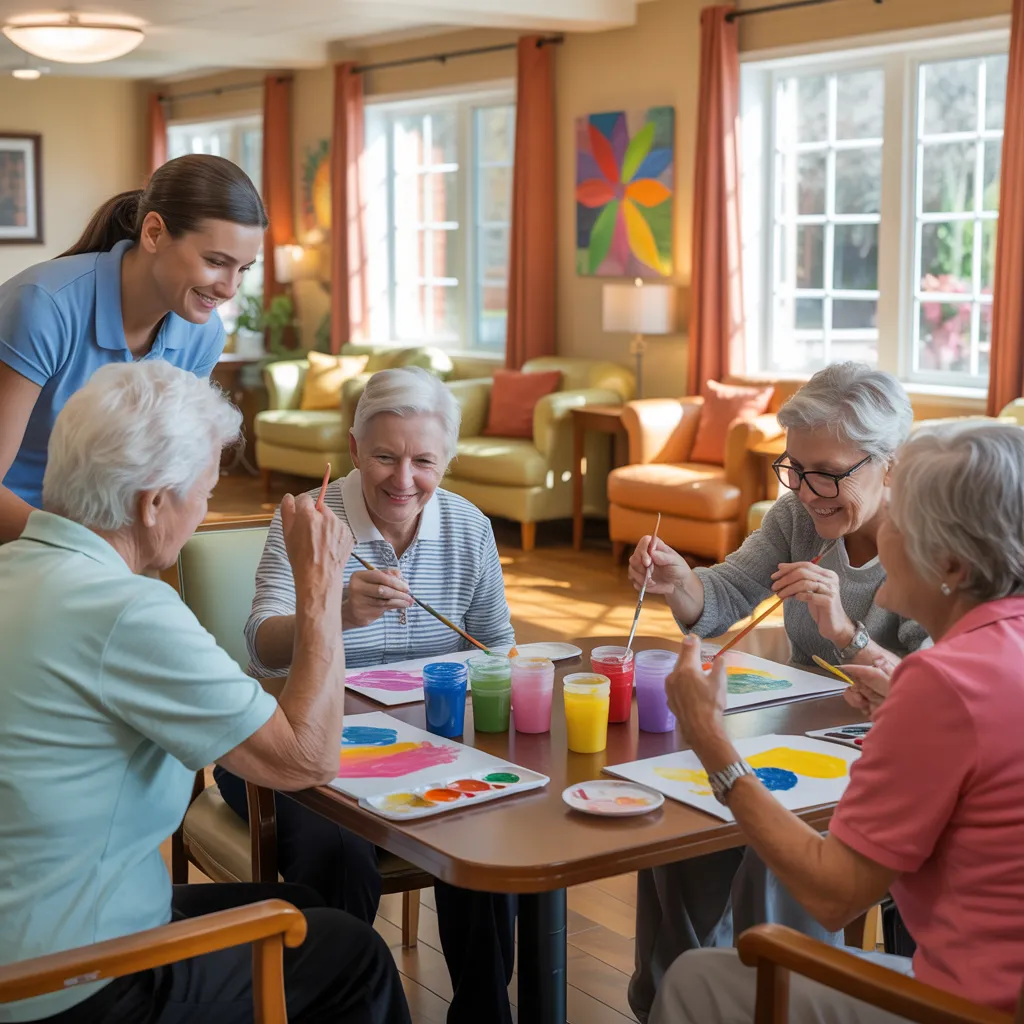
In a custom environment, residents are aided by structured routines that help reduce apprehension and confusion. Activities are specifically designed to activate cognitive function and foster social interaction, fostering a sense of community. In addition, the focus on safety and security makes sure that individuals can explore their surroundings without unnecessary risks.
Families often gain reassurance knowing their family members are getting attentive support in a supportive atmosphere. Overall, professional dementia care not only addresses physical needs but also nurtures emotional well-being, making it a crucial component of care for those experiencing cognitive decline.
Key Elements to Review in Memory Care Facilities
When assessing memory care facilities, what important features should families emphasize? First and foremost, safety measures are essential. Facilities should create safe zones that inhibit wandering, with amenities like enclosed outdoor spaces and supervised access. Likewise, staff-to-resident ratios are essential; higher ratios often show more individualized support and focus.
Finally, families should scrutinize the background and preparation of caregivers. Staff should be schooled in dementia support, ensuring they understand the unique needs of residents. Programs and engagements fashioned to encourage cognitive function and social interaction also are important, as they strengthen standard of see here well-being.
Additionally, relatives should evaluate the facility's cleanliness and overall atmosphere. A friendly setting can significantly affect residents' quality of life. Finally, transparency concerning costs and services is essential, allowing relatives to choose wisely. By concentrating on these key elements, families can select the most suitable memory care facility for their family members.
The Way Quality Memory Care Uplifts Dignity and Comfort
Exceptional memory care solutions center on dignity and comfort through personalized techniques that respond to individual needs. Personalized care plans, integrated with compassionate staff relationships, produce a supportive environment for individuals. Concurrently, secure and interactive spaces foster a community connection and well-being, promoting the complete quality of life.
Tailored Personal Care Plans
Personalized care plans hold an essential role in fostering the dignity and comfort of individuals in memory care facilities. These customized strategies consider each resident's unique history, preferences, and cognitive abilities, ensuring that care is both effective and respectful. By engaging families in crafting these plans, facilities nurture a collaborative environment that emphasizes the individual’s needs and wishes. This customization strengthens the sense of identity and autonomy, allowing residents to take part in activities that connect with their past experiences. Additionally, personalized care plans may change over time in response to evolving needs and preferences. Such respect for individuality greatly boosts quality of life, supporting emotional well-being and a sense of belonging within the care community.
Empathetic Staff Relations
Effective cognitive support copyrights on not only customized care strategies but also on the empathetic exchanges between staff and residents. Such interactions create an atmosphere of trust, essential for people facing the challenges of memory loss. Compassionate staff members approach each resident with empathy, acknowledging their unique histories and emotional needs. By participating in meaningful conversations and demonstrating patience, these caregivers enhance the dignity of each individual, ensuring they feel appreciated and understood. This approach not only reduces anxiety but also promotes a sense of belonging, important for emotional well-being. Ultimately, quality memory care thrives when staff prioritize compassionate engagement, changing care from a routine task into a caring experience that prioritizes comfort and respect.
Protected, Interesting Locations
Building a safe and stimulating environment is important for enhancing dignity and comfort in memory care facilities. Top memory care facilities prioritize secure surroundings, reducing risks linked with wandering or accidents. Thoughtful spaces encourage independence, enabling residents to navigate freely while feeling safe. Activities that are engaging and tailored to individual interests stimulate cognitive function and build social connections among residents. These environments promote participation, lowering feelings of isolation and boosting overall well-being. Moreover, the atmosphere should express warmth and familiarity, using personal touches that resonate with the history of each resident. By integrating safety with engagement, memory care services not only preserve individual dignity but also create a comforting space where residents can thrive despite their challenges.
Why Community Involvement Matters for Memory Care
Community backing assumes an essential role in enhancing memory care services by encouraging deep bonds and bonding among persons. Availability to supplies within the community can greatly improve the excellence of care, offering important tools and information. Additionally, amplified social interaction occasions factor to the overall well-being of those affected by memory obstacles.
Emotional Connection and Bonding
Emotional bonds serve as a cornerstone in memory care, fostering an environment where individuals are valued and understood. In memory care settings, community support cultivates meaningful relationships among residents, caregivers, and families. These bonds not only enhance emotional well-being but also promote a sense of belonging. When caregivers engage empathetically with residents, they create a safe space for sharing feelings and experiences, which can alleviate feelings of isolation. Additionally, group activities and social interactions encourage residents to connect with one another, reinforcing their sense of identity and purpose. This emotional foundation greatly impacts the overall quality of care, as individuals thrive when they feel connected, ultimately leading to improved cognitive function and a better quality of life.
Securing Access to Materials
Access to assets plays a crucial role in enhancing memory care services, building upon the strong emotional connections formed among residents and caregivers. Community support offers essential tools and information that enable families to make informed decisions about care options. Local organizations often provide educational workshops, respite services, and support groups, which can ease the burden on caregivers and improve their understanding of dementia-related challenges. Access to trained professionals, such as social workers and therapists, further improves the care experience. Additionally, collaboration with local healthcare facilities guarantees that residents receive thorough and coordinated care. Overall, a robust network of community resources fosters a supportive environment that greatly enhances the quality of life for individuals with memory impairments and their families.
Advanced Social Connection
How can enhanced social engagement revolutionize the journeys of individuals with memory impairments? Engaging socially within a compassionate environment offers affective and intellectual rewards that are indispensable for those battling memory complications. Engagement in group activities fosters connections, alleviating sentiments of alienation and melancholy. These interactions encourage cognitive function, sustaining existing proficiencies and arguably reducing cognitive decline. Additionally, community support encourages a feeling of community, which can greatly improve disposition and holistic health. Dementia care communities that prioritize interactive involvement create environments where individuals can build significant connections, enriching quality of life. This communal approach not only assists residents but also provides families with peace of mind, recognizing their dear family members are flourishing in a warm setting.
Long-Term Positive Outcomes of High-Quality Memory Care
While many families may initially seek memory care services primarily for immediate support, the long-term advantages of quality memory care extend far beyond short-term relief. These services not only offer essential daily support but also create a structured environment that promotes cognitive engagement and emotional well-being. Through tailored activities and therapeutic interventions, residents can experience improvements in memory retention and overall mental health.
In addition, dependable memory support services promotes a communal feeling, reducing feelings of isolation and anxiety often associated with memory disorders. This supportive atmosphere advantages families by easing worry and granting assurance, knowing their loved ones are in trustworthy care. Moreover, skilled staff members can offer ongoing guidance, helping families navigate the complexities of dementia care. Ultimately, investing in quality memory care services yields significant returns, strengthening the quality of life for both individuals with memory impairments and their families over the long term.
Regularly Asked Questions
How Might I Notice Early Warning Signs of Memory Issues?
Initial signs of memory concerns can consist of regular forgetfulness, difficulty following conversations, misplacing items, struggling to recall recent events, and changes in mood or behavior. Noticing these warning signs may warrant a medical assessment for additional review.
What Expenses Accompany Memory Care Programs?
Costs associated with memory care services differ significantly, typically ranging from $3,000 to $7,000 monthly. Factors influencing pricing include location, facility amenities, and the degree of personalized care needed by each individual.
How Can I Choose the Ideal Memory Care Facility?
Picking the ideal assisted living community for memory care includes investigating available selections, touring the locations, assessing staff qualifications, evaluating security standards, looking at engagement programs, and weighing family opinions, making sure the facility fits with the individual's distinct preferences and desires.
What Tasks Do Caregivers Handle in Memory Assistance?
Caregivers supply key assistance in memory care by providing emotional companionship, aiding with daily chores, and applying personalized care plans. Their instruction and compassion greatly heighten the quality of life for individuals with memory impairments.
Can Memory Care Services Address Different Stages of Dementia?
Memory care services can successfully address different stages of dementia by customizing care and treatments to personal requirements. This flexibility ensures residents receive appropriate care, enhancing their quality of life throughout the course of dementia.